Dynamic pricing is not new—travel and hospitality have used it for decades. What has changed is the accessibility of machine learning-based pricing for a much wider range of eCommerce businesses.
When done well, algorithmic pricing can improve revenue, margin, and utilisation. Done poorly, it can damage trust and invite regulatory or reputational risk.
When machine learning-based pricing makes sense
Dynamic pricing is most effective when:
- Demand is variable and somewhat predictable
- There is enough transaction volume to learn from
- Customers are used to some level of price fluctuation (e.g. sales, seasonal changes)
Good candidates include fashion, consumer electronics, seasonal goods, and categories with strong promotional calendars.
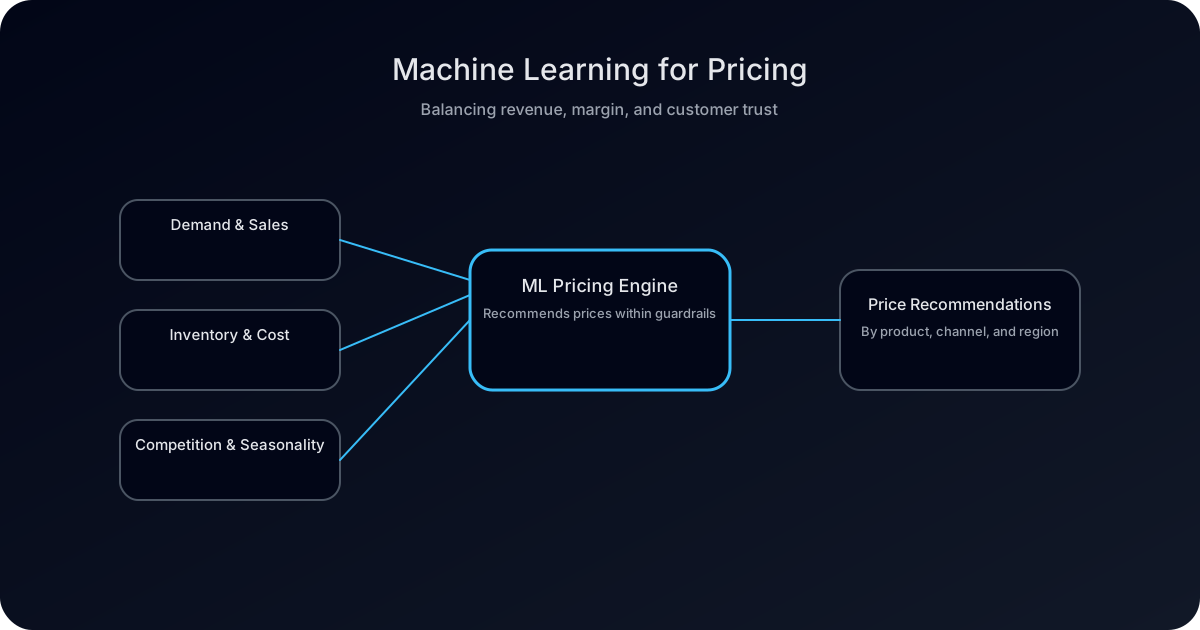
What ML pricing models typically consider
Effective models draw on a combination of signals, such as:
- Historic sales and price elasticity
- Inventory levels and holding costs
- Competitor prices where available and legal
- Seasonality, campaigns, and macro trends
The target can be revenue, margin, sell-through, or a combination, depending on your commercial objectives.
Managing trust and fairness
Customers are understandably sensitive to pricing. Key principles for maintaining trust include:
- Avoiding punitive-feeling surge pricing, especially in essential categories
- Providing clear reference prices where discounts are offered
- Ensuring that pricing policies do not discriminate unfairly between segments
Legal and regulatory constraints vary by market, so collaboration with legal and compliance teams is crucial.
Practical implementation steps
For most organisations, a phased rollout is advisable:
- Define objectives and constraints. Are you optimising for revenue, margin, inventory, or some blend? What are your guardrails?
- Start with a subset of products. Focus on a category where experimentation is acceptable and measurable.
- Run controlled tests. Compare algorithmic pricing to business-as-usual across matched products or regions.
- Scale gradually. Expand coverage as confidence in the models and governance grows.
How Rely Tech Serve helps with ML pricing
Rely Tech Serve works with pricing, commercial, and data teams to:
- Assess data readiness and pricing processes
- Design and implement machine learning-based pricing models
- Establish governance, monitoring, and A/B testing frameworks
If you are exploring dynamic pricing, get in touch or review our pricing and analytics consulting services.
FAQs: Machine Learning for Dynamic Pricing
Is dynamic pricing right for every category?
No. Some categories—particularly those with strong brand positioning or regulatory constraints—may be better suited to more stable pricing with occasional promotions.
How do we avoid a “race to the bottom”?
Be clear about your objectives. Focusing solely on matching or undercutting competitors can erode margin. Models should incorporate profitability and brand positioning, not just volume.
What about customer backlash?
Transparent communication, fair policies, and avoiding extreme or inexplicable price swings are key. Starting with a narrow scope and monitoring sentiment helps manage risk.